
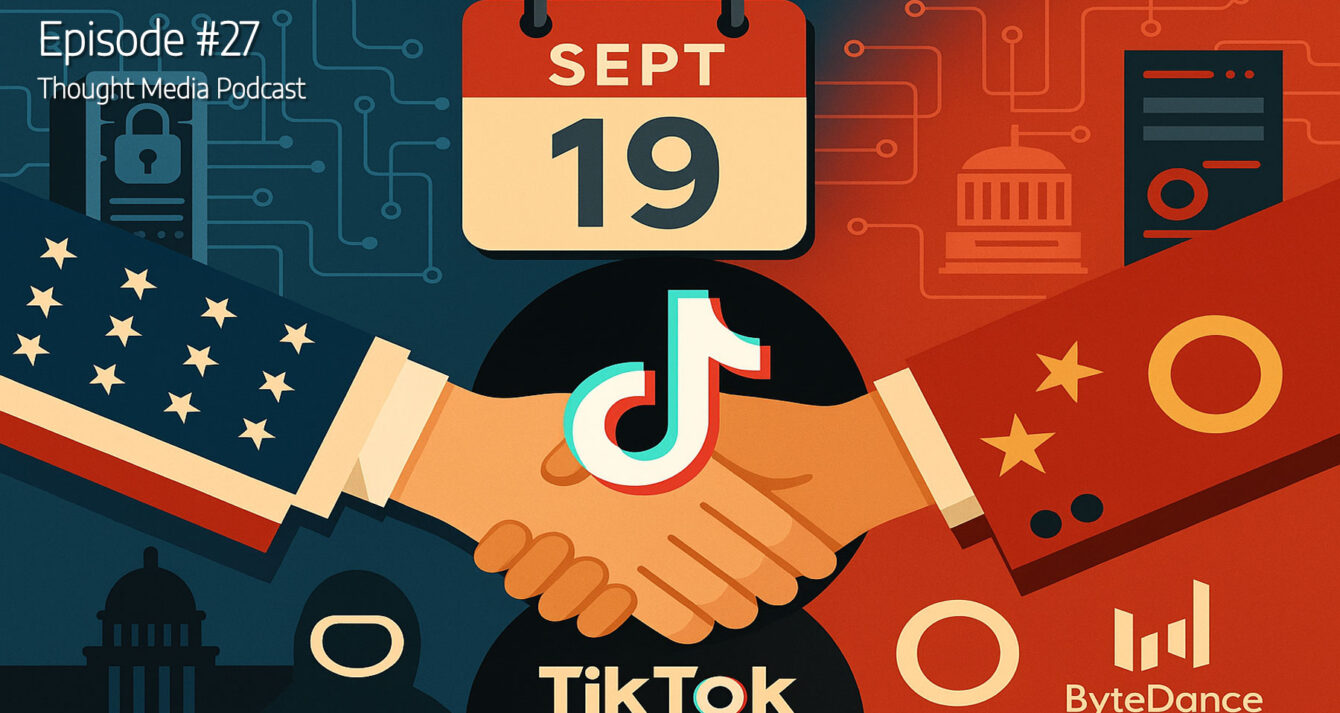


On Friday, September 19, 2025, the U.S. and China are expected to finalize a deal ensuring the social media platform TikTok can continue operating in America, following protracted negotiations that pushed ByteDance to divest the U.S. portion of its business or risk being banned. The framework, reached in Madrid, mandates that TikTok’s U.S. operations be transferred into a new U.S.‑based entity controlled by an American investor consortium—comprising firms like Oracle, Silver Lake, and Andreessen Horowitz—with ByteDance retaining a minority ownership just under the 20% legal cap.
Critical to the agreement is who controls the data and the algorithms. Oracle is expected to manage U.S. user data, while ByteDance may license its algorithm rather than relinquishing full ownership. National security officials are closely involved, as algorithmic influence, data privacy, and foreign intellectual property are major sticking points. Trump’s upcoming discussion with President Xi Jinping is seen as the final step to get both sides’ buy‑in.
For users, the deal means TikTok will stay online, governed by U.S. ownership, under tighter regulation, and with oversight that did not exist or was contested before. For Washington, it could resolve long-standing concerns under the Protecting Americans from Foreign Adversary Controlled Applications Act, passed in 2024. For Beijing, it represents a compromise meant to preserve Chinese interests (through minority ownership and technology licensing) while alleviating U.S. security concerns.
The TikTok deal reflects broader tensions over tech sovereignty, foreign control, intellectual property, and trust in algorithms. Whether the upcoming Friday confirmation will hold depends on negotiations and regulatory approvals. If it succeeds, the agreement could set a precedent in how countries manage tech platforms with dual national ties.